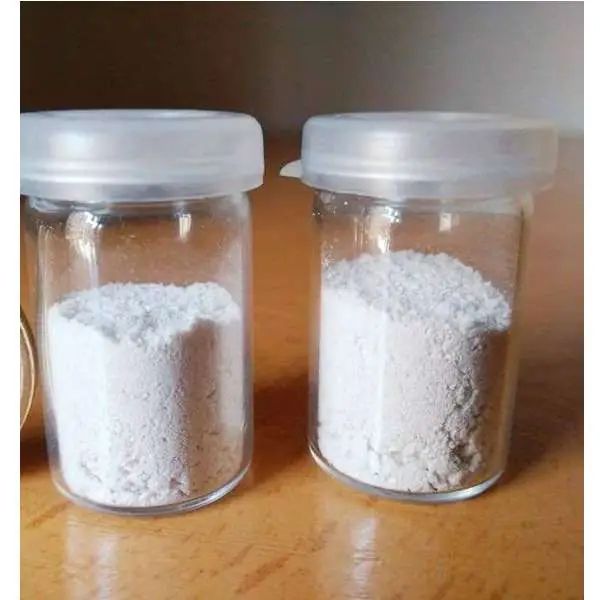
Description
Buy Ibogaine HCl
Exploring a Controversial Compound in the Fight Against Addiction
Ibogaine HCl (Ibogaine hydrochloride) is a naturally occurring psychoactive alkaloid derived from the root bark of the Tabernanthe iboga plant, native to West Africa. For centuries, local traditions—especially the Bwiti spiritual practice—have used Iboga in rites of passage and healing ceremonies for its visionary and introspective effects.
In recent years, Ibogaine HCl has drawn attention—and debate—for its potential to interrupt drug dependence and reduce withdrawal symptoms.
How Ibogaine HCl Works
Many anecdotal reports and early studies suggest that Ibogaine can address multiple substance use disorders, particularly opioids, as well as alcohol and stimulants. Advocates call it an “addiction disruptor” or a “reset mechanism” because of its unique effects:
-
Withdrawal Relief: Users often report significantly reduced withdrawal symptoms, sometimes experiencing only mild discomfort during acute opioid withdrawal.
-
Craving Reduction: Many individuals notice a lasting decrease in substance cravings, sometimes for weeks or months after a single session.
-
Introspective Experience: Ibogaine induces a long-lasting psychoactive state—often 12–24 hours—filled with vivid, reflective visions. Users frequently reassess past life events, uncover deep psychological patterns, and gain insights into the roots of addiction.
Neurobiological Effects
Although researchers do not fully understand Ibogaine’s mechanisms, studies indicate it affects several neurotransmitter systems. It:
-
Acts as a non-competitive NMDA receptor antagonist
-
Modulates dopamine and serotonin pathways
-
Functions as a kappa-opioid receptor agonist
These actions may help disrupt addiction circuits in the brain.
Clinical Settings
Ibogaine therapy is offered in countries such as Mexico, Canada, New Zealand, Brazil, and parts of Europe. Specialized clinics perform thorough medical evaluations to minimize risks and provide support before, during, and after treatment.
Ongoing Debate and Future Directions
Ibogaine HCl sparks debate among researchers and clinicians:
-
Supporters emphasize its potential to provide better addiction treatments, its anecdotal successes, and the limitations of conventional approaches.
-
Critics highlight safety concerns, including cardiotoxicity, and the lack of large, placebo-controlled clinical trials.
Future research focuses on:
-
Safer Alternatives: Synthetic derivatives like 18-MC aim to retain anti-addictive effects while reducing hallucinations and heart risks.
-
Optimized Protocols: Scientists are refining dosage strategies, evaluation methods, and post-treatment integration for safer outcomes.
-
Mechanism Studies: Researchers seek to understand how Ibogaine and its metabolites interact with the brain to interrupt addiction pathways.
Conclusion
Ibogaine HCl is a powerful and controversial substance with significant potential in addiction treatment. Historical use, combined with reports of success in reducing drug dependence, make it a promising tool. However, its safety risks—particularly to the heart—require strict medical supervision and careful research. Until more clinical data is available, Ibogaine HCl should be approached with caution, respect, and full awareness of its potential and risks.
Buy Ibogaine HCl to explore its transformative potential in addressing addiction, PTSD, and trauma—always under professional guidance.

David –
The HCL form felt more controlled compared to plant-based discussions I’d read about. Integration support afterward was just as important as the session itself.
Andrew –
My experience with ibogaine HCL was intense and required full medical supervision. It was not something I would ever consider without professional monitoring. The psychological effects were profound and long-lasting.
Sophie –
I found the experience overwhelming and believe it’s not suitable for everyone. Thorough screening and medical oversight are absolutely critical.
Laura –
Ibogaine HCL is often described as a reset, but it’s important to manage expectations. The experience was challenging physically and mentally. This reinforced the importance of a clinical environment.
Marcus –
Ibogaine HCL should be approached as a serious medical intervention, not a substance. The long-term value depended heavily on preparation and integration.